

Viral Shift
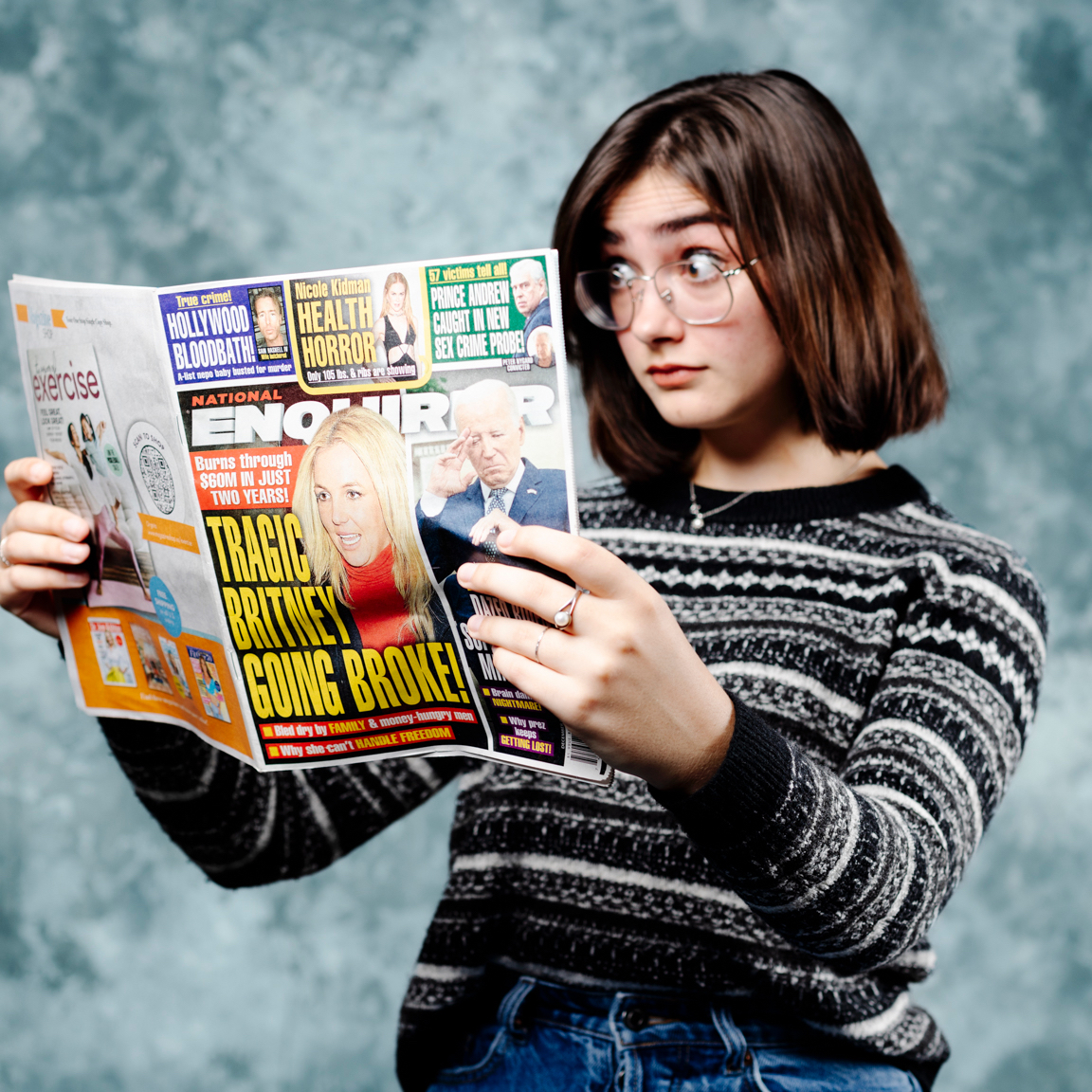
Pop culture’s digital renaissance.
In the not-so-distant past, pop culture was a powerful force that shaped societal norms, preferences, and conversations. Monoculture reigned supreme, dictating what was cool, trending, and universally accepted. However, with the rapid advancement of digital technology and the rise of niche online communities, we find ourselves witnessing the death of monoculture. This development has resulted in a new era where pop culture is fragmented, diverse, and constantly evolving.
Monoculture—the idea that there is a single dominant culture that permeates society—was once the cornerstone of pop culture. Whether it was blockbuster movies, chart-topping music, or iconic fashion trends, a handful of mainstream entities held sway over the collective.
This era was characterized by shared experiences—everyone watched the same TV shows, listened to the same radio stations, and flocked to see the same movies. However, the digital revolution has shattered this once-unified landscape, giving rise to a multitude of subcultures, niches, and online communities that have reshaped the very essence of pop culture. The distinction between pop culture and internet culture is slowly disappearing, for better or for worse.
One of the primary catalysts for the death of mass culture is the democratization of content creation and distribution. In the pre-digital era, the gatekeepers of pop culture were few and powerful—major record labels, film studios, and television networks. They had the authority to decide which artists, movies, or TV shows would receive widespread exposure. While media has always allowed for preference, never before has such an abundance of media been readily accessible. Today social media platforms have empowered individuals to create and share content on a global scale, dismantling the traditional barriers to entry.
No longer are audiences passive observers; they are active contributors and co-creators of the cultural landscape. Social media platforms provide a virtual stage where anyone can showcase their talents, opinions, and creativity. This newfound agency challenges the traditional power dynamics in the entertainment industry, empowering individuals to shape their own cultural narratives. This provides more opportunities for underrepresented voices to be heard, bringing new and much-needed stories into the spotlight. The opportunity for exposure created by this form of independent media is something many people who make up marginalized communities are experiencing for the first time in this capacity—the opportunity to share their stories unfiltered.
While individuals are able to redefine cultural significance, we also risk the dilution of mass culture. Internet niches, once relegated to the fringes, now wield unprecedented influence. Subcultures that may have struggled for recognition in the past can now commandeer the cultural spotlight.
Social media platforms, forums, and niche websites have become breeding grounds for subcultures to thrive. Whether it's a fandom dedicated to a cult TV show, a subgenre of music that defies mainstream conventions, or a group of enthusiasts exploring niche hobbies, the internet has given people the tools to connect with like-minded individuals across the globe. In this digital landscape, pop culture is no longer a monolithic entity but a rich tapestry of diverse influences, opinions, and expressions.
The demise of monoculture, however, is not without its challenges. While diversity and inclusivity in pop culture are undoubtedly positive developments, the fragmentation of audiences can lead to echo chambers and isolated communities. It becomes easier for individuals to immerse themselves in content that aligns with their existing beliefs and interests, potentially hindering the exchange of ideas and perspectives that a more unified culture might have facilitated.
As we retreat into our online bubbles, are we sacrificing a shared cultural experience for a personalized, isolating reality?
The shift from physical to digital consumption has also played a crucial role in reshaping pop culture. The music industry was previously dominated by physical album sales, and movie theatres were the primary venue for film screenings. However today, streaming services have become the norm, offering a vast array of content tailored to individual tastes. This on-demand business model allows consumers to explore a wide range of genres, styles, and cultures, contributing to the fragmentation of pop culture.
The algorithm-driven nature of online platforms has personalized the way we consume content. Whether it's personalized playlists on music streaming services or tailored recommendations on video-sharing platforms, algorithms curate content based on individual preferences. This level of customization ensures that each user's pop culture experience is unique, further propelling monoculture’s once-universal appeal into the past.
The rapid pace of cultural evolution in the digital age can create a sense of disorientation. Trends emerge and fade away quickly, leaving little time for cultural ripples to solidify and become iconic. The transience of digital culture raises questions about the lasting impact and significance of today's trends compared to the enduring legacies of past cultural phenomena.
The transformation of pop culture in the internet age is emblematic of a dynamic and ever-changing societal landscape. While the demise of a singular, dominant culture may evoke a sense of nostalgia, it is crucial to embrace the diversity and inclusivity that the digital revolution has ushered in.
Pop culture is no longer confined to a set of predefined norms; instead, it is a fluid and evolving assemblage shaped by the myriad voices and perspectives found in the vast expanse of online communities. This new era invites us to celebrate the richness of cultural diversity, recognizing that the death of monoculture marks not an end but a vibrant and exciting new beginning.


Comments