

The Algorithm Giveth and Taketh
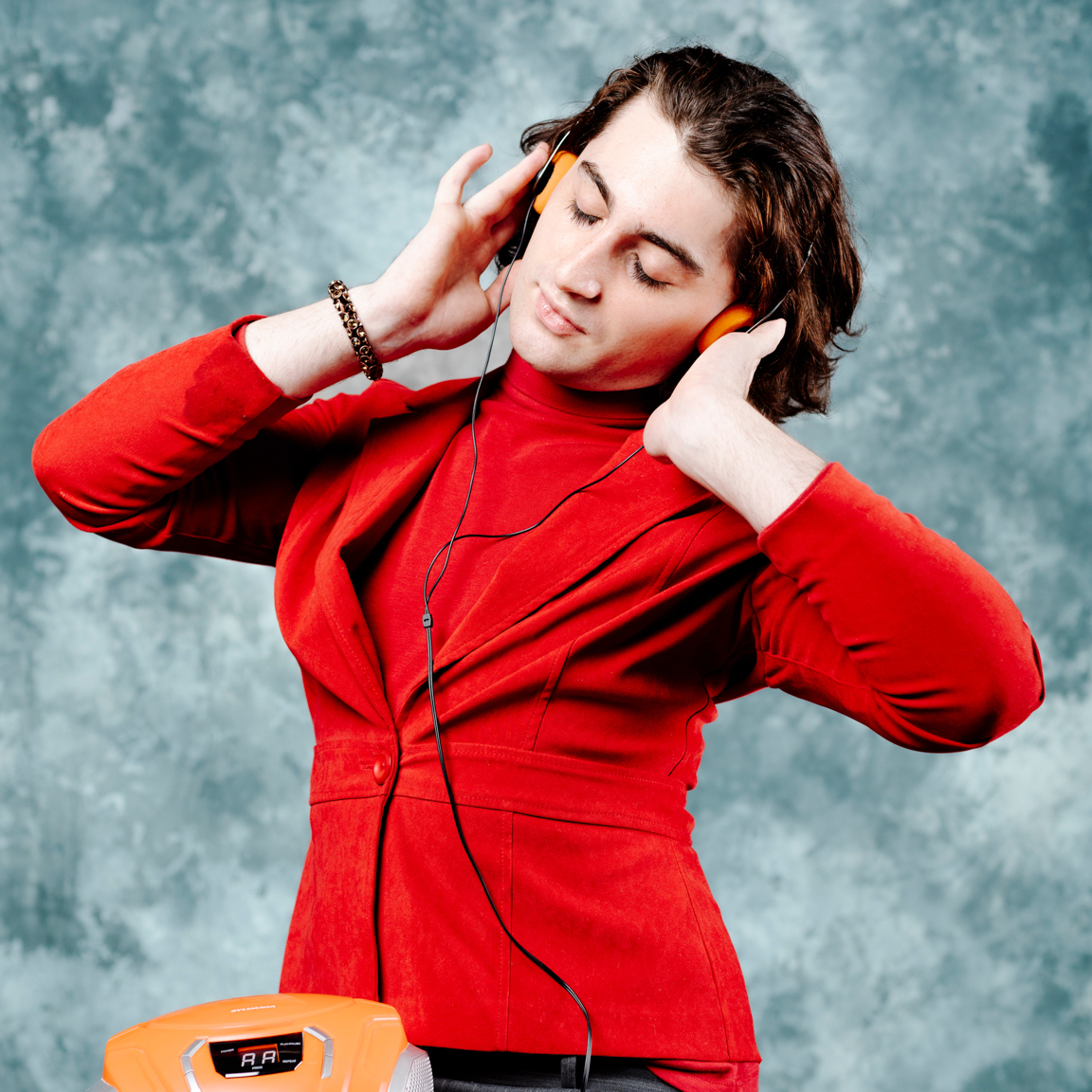
How the age of streaming has made bad music more accessible.
In the olden days, the act of discovering new music was an art that took dedication and time. From digging through dusty bins to relying on that one musically pretentious friend, it was a commitment that reaped both risks and rewards.
Today, a large percentage of music listeners can thank a little thing called the algorithm for connecting them with their top artists. With tailored selections from an omnipotent computer, finding new music in the same vein as your old favorites becomes just a little easier.
Algorithms on music streaming services and social media platforms like Instagram and TikTok have been lauded for democratizing the music industry. Artists can achieve commercial success without a label backing them with heaps of money, revolutionizing the entire industry.
The algorithm has also given us playlists that are based on our favorite artists, top genres and even hyper-specific moods—so it can’t be all that bad, right?
Several criticisms of algorithms have been made as well.
Algorithms make tracking what people are listening to much easier. A dilemma arises when record labels attempt to exploit these analytics, picking apart commonalities between listeners to find out how to produce a boiled down version of what is “popular.” It sounds like a pretty simple, timeless business practice, but when artists signed to said labels are pressured into complying with the data, creativity becomes stagnant.
“You have to game the system a little more with social media,” laments indie musician Julian Reed, “I’m thinking about 10-second clips that go viral now.”
Distilling an entire song’s appeal into a short video on TikTok is nothing new at this point, and its ongoing negative effects can be felt in nearly every facet of the industry. Artists are forced to minimize their methodically crafted work into a small, danceable snippet. Unsurprisingly, this hasn’t been met with a warm reception from present day artists.
Grammy-winning American rapper Doechii can be heard on her recent hit “Denial is a River” rapping, “Wristwatch, drip drop, labels want the TikToks/ Now I’m makin’ TikTok music, what the fuck?” Mediocre pop star Halsey also made headlines last year after exposing her label for refusing to release her song without the aid of a “manufactured viral TikTok moment.”
The current state of the charts is a far cry from the days of concept albums and seven-minute guitar solos. According to a study by the Music Industry Data Alliance, the average song length has dropped from four minutes in the 1990s to just under three minutes today—a shift driven by streaming’s payout model. Artists make fractions of a penny per stream, so the goal isn’t quality—it’s quantity. More plays equals more money.
“Labels are not necessarily looking to nurture new talent,” admits an anonymous A&R executive at a major label. “They’re looking to secure a place on the next great trend. If someone goes viral on TikTok, they’re usually signed pretty quickly. Getting another hit is where the question lies.”
Even if an up-and-coming artist manages to land a record deal through going viral on TikTok, fame is fleeting. With the accelerating pace of the trend cycle, fifteen minutes is now more like fifteen seconds. Think about it, TikTok is pumping out these trends and viral soundbites at an unprecedented speed, meaning most artists barely get to experience the high of virality before a new sound emerges from around the corner.
Francisco Hernandez, director of A&R research at Republic Records, had much to say on the topic of short-lived virality.
“It’s no shock that big labels use TikTok as a breeding ground for new talent. It leads to a lot of opportunities and it is unfortunate when an up-and-coming artist is unable to follow up with another viral hit,” he says, “A lot of artists are not equipped to deal with what the industry will throw at them.”
The music industry’s reliance on platforms like TikTok has led to an artist turnover rate labels have never seen before. Simply put, the chance of longevity for artists with a mindless, break-out viral hit is slim to none.
“I’ve seen a lot more artists come and go than the guy before me,” says Hernandez, “It’s definitely made my time a bit more interesting.”
Big labels chasing the trends is a timeless tale, however streaming has exacerbated this business model, due to rapid innovations in consumer technology (think Apple Music, Spotify, etc). In order for labels to keep up with the speed at which algorithms—and by extension, listeners—turn to the next artist, they must keep signing and dumping artists at the same rate; and eventually, one will stick.
The true way to combat over-manufactured TikTok trash (bias aside), is through keeping tabs on music journalists everywhere. As someone who is invested in searching for reliable music outlets, I have discovered there are a decent amount of options to choose from.
Starting with actual music publications, Drowned in Sound usually promotes some pretty interesting Bandcamp recommendations for those looking for true indie finds. TinyMixTapes is another one that deserves proper attention for their coverage of nearly every genre and their brutally honest reviews written by real music-nerds.
User-run music sites are also worth checking out, like AlbumoftheYear and RateYourMusic, which have remained a popular place for music journalists to discover new, quality releases.
For those looking to explore “the greats,” searching comprehensive lists of top albums per year or decade can lead to some great pretty finds (try Rolling Stone or Pitchfork).
In other words, the hunt for good music continues, it just looks a little different now.


Comments