

Are Musicians Today Political Enough?
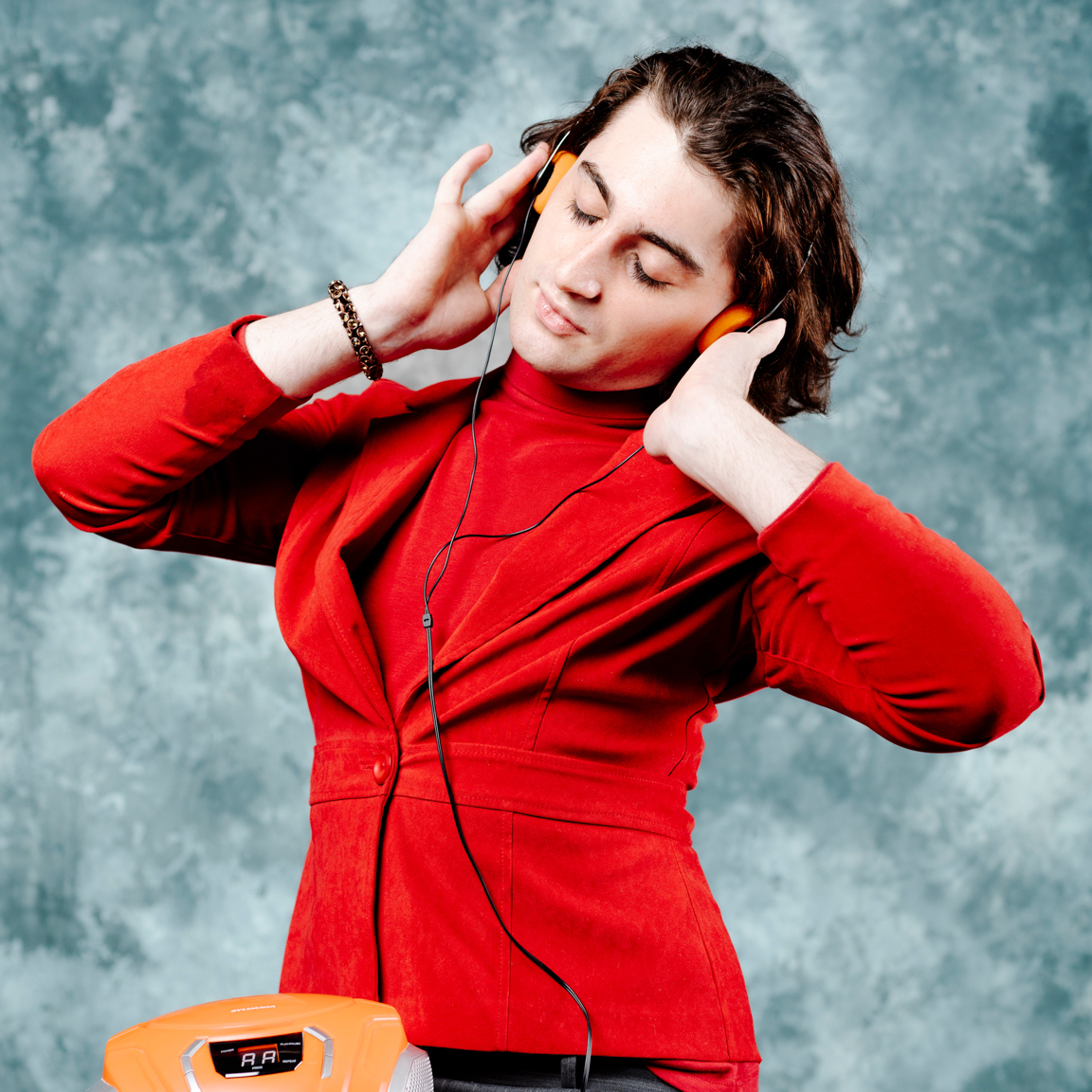
The blurred line of artists commenting on politics.
Famed musician and fashion mogul Pharrell Williams made quite the statement during an interview with The Hollywood Reporter in September. “I get annoyed sometimes when I see celebrities trying to tell you [who to vote for],” said the entertainer, “I’m one of them people [who says], ‘What the heck? Shut up. Nobody asked you.’”
This fiery attack on politicized celebrities stirred up quite a reaction from news sources and social media users alike following the article’s release.
Instagram users quickly flooded the star’s comments, with many criticizing his words as he openly supported Hillary Clinton during her presidential campaign in 2016.
Other users pointed out that the successful musician can avoid engaging in politics altogether due to his immense wealth and status. “Not ‘doing’ politics is so incredibly privileged and out of touch,” wrote one Instagram user.
The statement and reaction comes at a pinnacle moment for American politics with the recent 2024 Presidential Election. With the now-reality of another era under Donald Trump’s orange fist, many liberal, left-leaning celebrities made their support of Democratic candidate Kamala Harris very clear in an effort to avoid going down this path.
Club diva Charli xcx made an indirect endorsement of the conceded Democratic candidate by tweeting, “kamala IS brat” in July. This was in response to a spike of memes connecting Kamala Harris to the pop star’s most recent album Brat, after Joe Biden bowed out of the race making Harris the Democratic nominee. These memes became a major component of Harris’ social media campaign designed to appeal to Gen Z.
In an interview with Vulture Charli xcx unpacked her stance on politics, “My music is not political. I’m not Bob Dylan, and I’ve never pretended to be. Politics doesn’t feed my art.” She clarifies, “I obviously knew what I was doing. To be on the right side of democracy, the right side of women’s rights, is hugely important to me.”
Some endorsements of Harris were met with divisive ears. Mega celebrities with prominent followings in historically red states such as Bruce Springsteen and Taylor Swift have openly endorsed Harris, despite immense fan pushback.
For major acts with more ‘bi-partisan’ fan bases, like the aforementioned, speaking on the wrong side could mean less fans, which fills up less seats. Persistent harassment and bullying from the opposition also means putting oneself right in the line of fire for Twitter users to rip to shreds.
Most recently, pop sensation Chappell Roan touched a nerve after refusing to officially endorse a presidential candidate. Shortly after, the singer posted a second video criticizing the Democratic party. However, despite pronouncing Harris’ name wrong, she declared her support for the Democratic candidate.
Roan’s decision wasn’t a careless act of ignorance towards the circus that is American politics. Harris’ inept policies concerning the ongoing genocide of Palestinians have created major blowback for more progressive Democrats, like Roan. The singer, a staunch supporter of Palestine, is one of many reluctantly standing under the coconut tree amongst Harris’ more outspoken supporters.
This of course is history repeating itself. 1960s folk artists Joan Baez and Bob Dylan were outspoken with their criticisms of the presidential election, indirectly shaping how voters made their decisions in the polling booths.
This attitude towards the U.S. government at large became the status quo for musicians catering to a ‘young and cool’ audience. Neil Young’s 1980s revival with the song “Rockin’ in the Free World” became the unofficial anthem for middle-American youth angered by the social climate of the 80s.
The historical 2008 election of Barack Obama shook up this narrative, with a plethora of mainstream artists from Lady Gaga to Jay-Z pledging their support for America’s 44th and first Black president.
But of course, there has always also been controversy with how an artist conducts themselves politically in accordance with their fanbase (i.e. Miss Chappel Roan).
The most prolific example in recent times occurred in 2003 when country-pop trio The Dixie Chicks, now named The Chicks, expressed their disappointment with George W. Bush’s involvement in the Iraq War.
“We do not want this war, this violence, and we’re ashamed the President of the United States is from Texas,” said lead singer Natalie Maines onstage at a concert.
What happened next was not what Maines had expected. Country stations all over boycotted the band and fans began publicly destroying CDs in protest. The moment led to national debates regarding freedom of speech and radical patriotism, while having a lasting impact on The Chick’s brand forever.
With this moment in U.S. politics, the call to action and open support has never felt more pressure on all fronts, posing the question of whether or not musicians should even enter the political arena.
To Paul Campos, a DJ based in Chicago, musicians have always been the carriers of political messaging.
“I think it would be really crazy for someone to not say something about what is happening in [the U.S.] right now,” says the musician. “I always felt like every major political movement has had a musical component to it.”
Campos believes that celebrities should utilize their large online presence to drive change. “I just don’t think ‘playing Switzerland’ right now is a safe bet,” he said, “For me, that turns me off from an artist.”
Campos’ words echo the sentiments of those attacking Pharrell Williams in his comment section. There is an overarching feeling that many look to musicians for their words and thoughts concerning major events happening in our world.
“The silence can actually be startling sometimes,” says the young musician. Without a definitive statement from beloved public figures, like Miss xcx and Roan, there is a strange absence of assurance surrounding how major celebrities interact with the ever-changing American political sphere.
The threat of stepping out of line in the eyes of fans with a “touchy” subject like politics, could mean artists tainting a career’s worth of hard-earned legacy. However, one could make the argument that if you have a voice to sing, you should also use it to speak.


Comments